

How Many Calories Are In Ice And Why It Matters?

October 10, 2025
7 minutes read
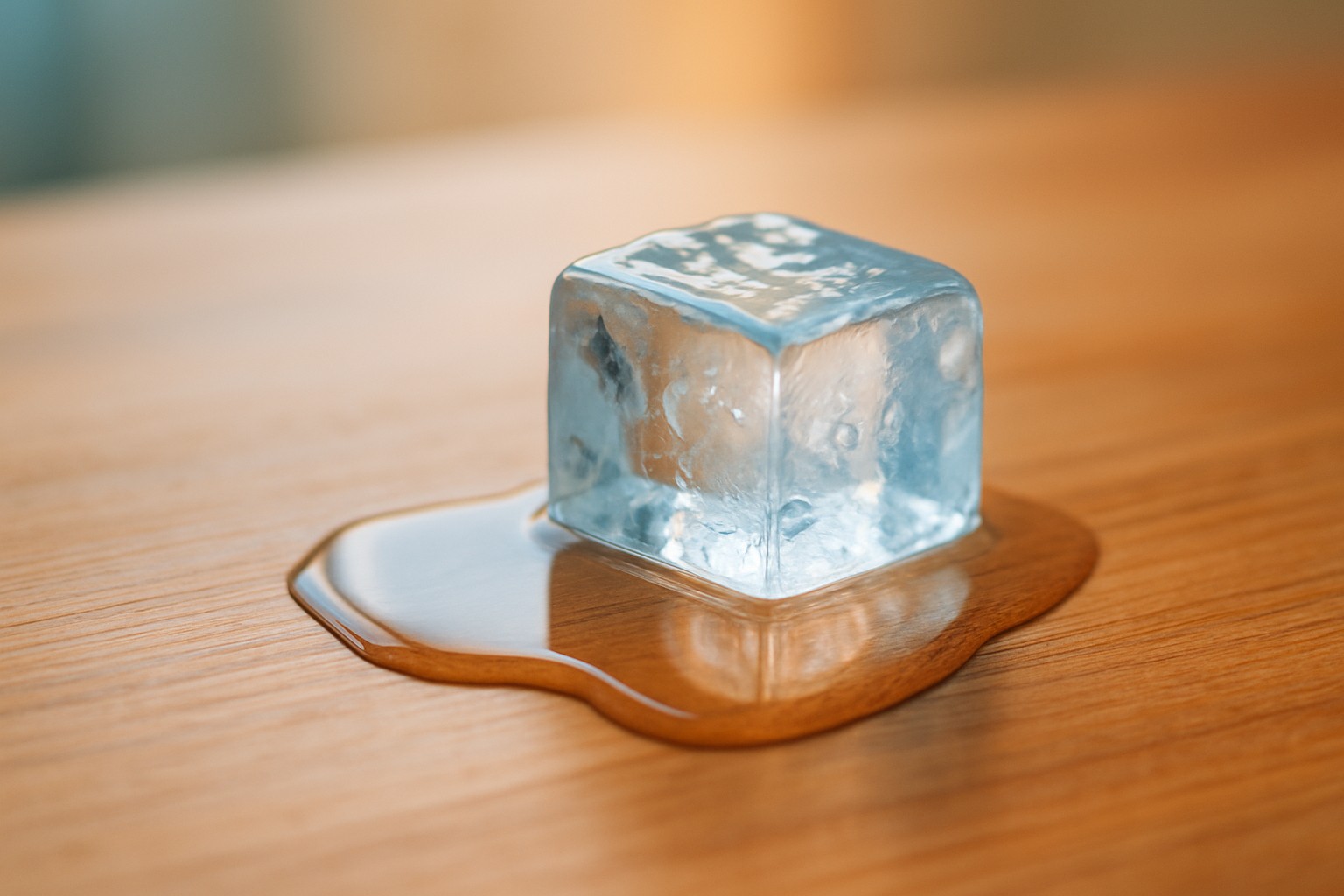
Plenty of individuals wonder just how many calories ice packs have and whether it affects diet and nutrition. We dig into that question and break down the science behind it. We also take a closer look at why it matters, especially if you keep a close eye on nutrition and metabolism.
What Calories Are and Why They Matter (and Why You Should Care Too)
Calories are basically the little units of energy our bodies squeeze out of the food and drinks we enjoy. They keep the wheels turning, powering everything from the basics like breathing and pumping blood to the more upbeat stuff like taking a stroll or breaking into a run.
What Exactly Is Ice Made Of?
Ice is basically just water in its frozen form. Down at the molecular level it’s made up of H₂O molecules arranged in a neat crystal-like pattern. The big difference between ice and liquid water comes down to how tightly those molecules are packed together but chemically speaking they’re exactly the same.
So, What’s the Calorie Count of Ice Anyway
Ice has pretty much zero calories. Calories measure the energy we get from carbs, fats and proteins. Since ice is just water in its frozen form it doesn’t offer any energy boost.
Why Ice Has No Calories Even Though It Is Matter
Calories come from macronutrients like carbohydrates, fats and proteins. These are packed with chemical energy that our bodies can cleverly convert into fuel. Water, whether liquid or frozen solid as ice, is not considered a macronutrient and does not contribute any calories. Many people mistakenly believe that if something is matter it must have calories. In reality it depends on whether it contains usable chemical energy.
Calories and How Ice Plays a Surprising Role
Ice has zero calories but here’s a neat little quirk: your body actually spends a tiny bit of energy melting it and warming it up to your normal 98.6°F (37°C). This calorie burn is one of those subtle effects known as the thermic effect of cold substances.
1
When ice hits your mouth it starts to melt by pulling heat from nearby tissues—like a chilly guest taking warmth from a cozy room.
2
That cold water doesn’t stay cold for long. It slowly warms to body temperature and prompts your body to use some energy.
3
This energy goes toward turning ice from solid to liquid and warming the water. Overall, this results in a tiny, almost laughable burn of calories.
How Many Calories Does Eating Ice Really Burn
Calculations show that the calories required to melt and warm a typical glass of ice roughly 200 grams add up to less than one calorie. That is just a drop in the bucket when it comes to shedding pounds.
| Ice Weight (grams) | Energy to Melt & Warm (Calories) | Equivalent Common Food Calories |
|---|---|---|
| 100 | 0.33 | About half a small apple (roughly 52) |
| 200 | 0.66 | A small banana (around 90) |
| 300 | 1.00 | One slice of bread (approximately 80) |
Note: These energy values are ballpark figures showing calories used, not calories you’d actually get from eating something.
The Importance of Knowing the Calories in Ice (Yes, Ice!)
People curious about weight management or dieting often wonder if munching on ice might actually help trim calories or rev up energy burn. It’s worth remembering that while ice itself packs zero calories, your body does spend a little energy warming it up—enough to clear up some common misconceptions.
Does Eating Ice Really Help with Weight Loss Let us unravel this chilly claim and see what is really going on.
A lot of people believe that chomping on ice can torch a bunch of calories and speed up weight loss. The calories you actually burn nibbling on ice are pretty negligible.
Eating ice burns a tiny, practically negligible number of calories when you look at the big picture of your overall energy balance. In my experience, real weight loss usually hinges on consistent, steady changes to your diet and lifestyle, rather than banking on the barely noticeable energy your body spends processing cold water or ice.
Extra Health Factors to Keep in Mind When Eating Ice
Occasional ice chewing and munching on ice cubes usually isn’t a big deal but going overboard can wear down your tooth enamel and cause sensitivity. Craving and chomping on large amounts of ice, known as pagophagia, might be a red flag for iron deficiency or anemia.
When Craving Ice Might Be a Sneaky Sign of Something Else Going On
Pagophagia is a quirky form of pica where individuals find themselves chewing on ice almost compulsively. While many people wonder how many calories are in ice, this chilly habit often points to iron deficiency anemia and might mean it is time for some blood tests and a chat with a healthcare professional.
Summary The Lowdown on Calories in Ice You Probably Did not Think About
Frequently Asked Questions
If ice has zero calories, can I eat as much as I want?
Is it true that eating ice actually burns calories?
Why does something made of matter, like ice, have no calories?
When should I be concerned about craving or chewing ice?
Can substituting snacks with ice help me lose weight?
Marcus Thorne
25 articles published